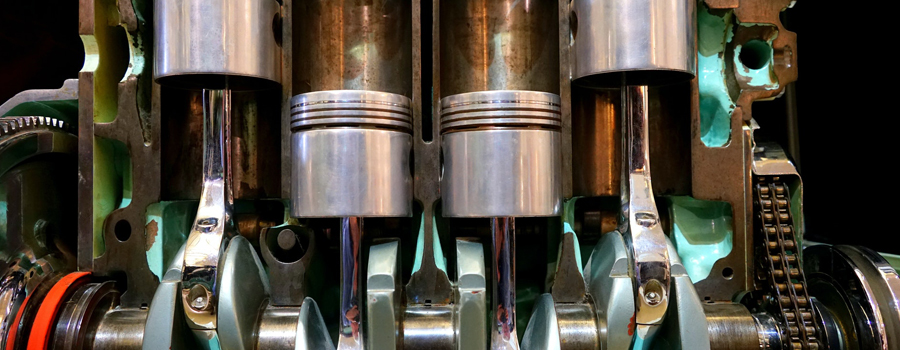
Metallic materials are materials that have properties such as lustre, ductility, easy conductivity and heat transfer. They are generally divided into two types: ferrous and non-ferrous metals. Ferrous metals include iron, chromium, manganese, etc. Non-ferrous metals are all metals other than iron, chromium and manganese.
Steel is the basic structural material, called the "bones of industry", non-ferrous metals are the basic materials for the development of the national economy, aviation, aerospace, automotive, machinery manufacturing, electric power, communications, construction, home appliances and most other industries are based on non-ferrous materials for production. With the rapid progress of modern chemical industry, agriculture and science and technology, the position of non-ferrous metals in human development is becoming more and more important. It is not only an important strategic material in the world, an important means of production, but also an important material for the indispensable consumer material in human life.
The composition and content of metals directly affect the performance and value of the material, and a range of standardised testing methods have been developed by countries and industry organisations for the study and testing of metals.
We use classical chemical analysis methods, modern advanced analysis and testing instruments, according to GB Chinese national series standards, American ASTM series standards, HB aviation series standards, GJB national military standard series standards, YB metallurgical industry series standards, YS non-ferrous metal series standards, ISO international series standards, XB rare earth industry series standards, SN commodity inspection series standards, JB Chinese machinery industry series accurate Analysis and testing of the chemical composition of various metallic and non-metallic materials; in-situ analysis for the study of material distribution, in-situ analysis for the study of material composition distribution, segregation, looseness, inclusions content, composition and particle size, phase analysis services for the study of the type of each precipitated phase, crystal structure, particle size distribution and composition of materials.
NOA has a central laboratory of nearly 30,000m2, with organic, inorganic, physical and chemical, thermal analysis, mechanics, reliability, combustion and weathering laboratories. We can provide one-stop analysis and testing services for metal materials and products, such as raw material quality control, composition analysis, foreign matter analysis, performance testing and reliability testing.