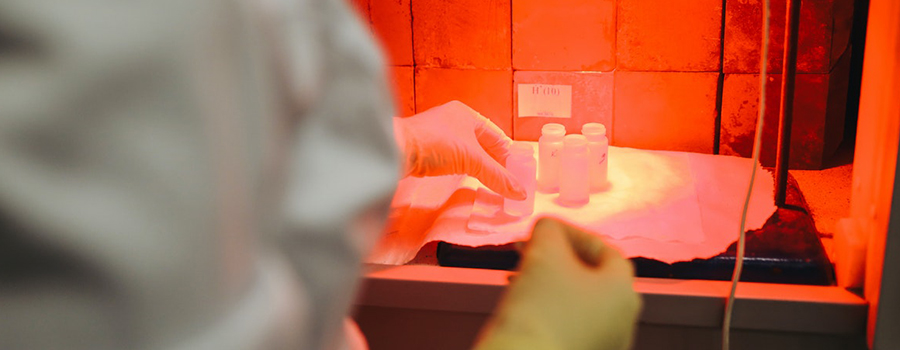
Environmental and reliability testing is to ensure that a product maintains functional reliability during its defined life, under the environment in which it is expected to be used, transported or stored. It exposes the product to the natural or artificial environmental conditions to undergo its action, in order to evaluate the performance of the product in the actual use, transportation and storage of environmental conditions, is one of the important quality characteristics of the product. Generally, environmental reliability test is divided into mechanical environmental test, climate environmental test and comprehensive environmental test. Mechanical environment tests mainly include mechanical vibration, mechanical impact, drop, collision and other tests. Climatic environment tests include temperature test, temperature/humidity test, air pressure test, water test, salt spray test, sand dust test, gas corrosion test, etc. Comprehensive environmental test mainly includes temperature and pressure comprehensive test, temperature and vibration comprehensive test, temperature and humidity vibration comprehensive test, temperature and pressure and humidity comprehensive test, etc.